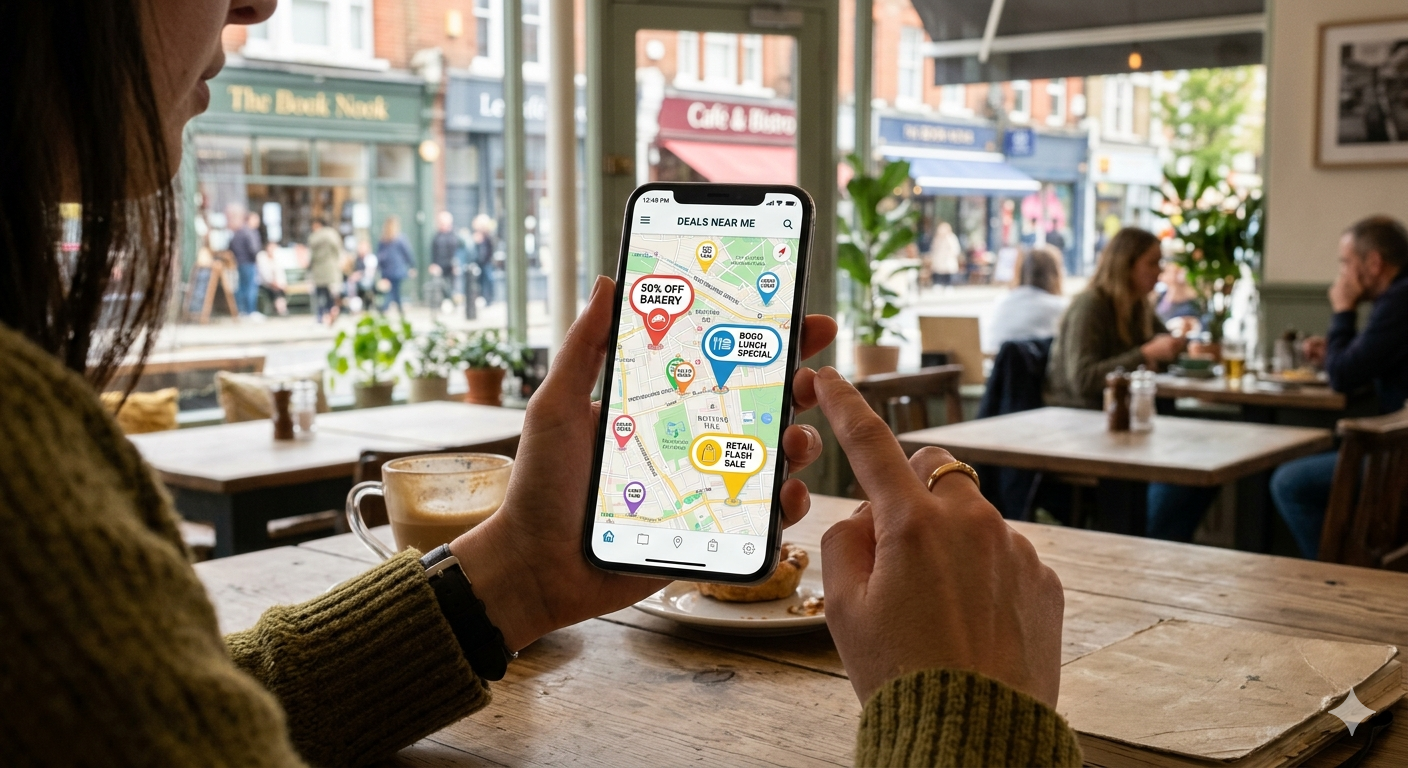
Top Shopping Hacks to Save Money in 2026: Stop overpaying at the checkout counter! Discover the top shopping hacks to save money in 2026. Learn how to outsmart dynamic pricing, exploit hidden coupon loops, and use unit-price strategies to cut your household bills by up to 40% starting today.
Top Shopping Hacks to Save Money in 2026: Let’s cut through the noise: shopping in 2026 feels like playing a game where the rules are constantly stacked against you. We are living in an era where major retailers don’t just put price tags on items anymore—they deploy hyper-advanced, AI-driven dynamic pricing models. These algorithms track local weather shifts, evaluate immediate warehouse supply levels, analyze your phone’s remaining battery life, and alter item costs in real-time right before your eyes.
If you approach shopping the same way you did a few years ago, you are quietly giving up a massive chunk of your hard-earned income. Relying on basic coupon codes that expire before you hit checkout simply won’t cut it anymore.
To win this game, you have to upgrade your defensive shopping strategies. Saving money this year isn’t about extreme deprivation or skipping out on the things you love; it’s about being structurally smarter than the software trying to upsell you.
Whether you are navigating the perimeter of your local supermarket or finalizing a cart on a global digital storefront, here are the top shopping hacks to save money in 2026 that will instantly put hundreds of dollars back into your bank account.
1. Outsmarting the Dynamic Retail Pricing Matrix
The moment you browse an online store, a digital profile is constructed around your consumer behavior. If an e-commerce platform detects that you have repeatedly searched for a specific laptop, jacket, or airline flight, its backend systems will often artificially inflate the price to trigger an immediate panic buy.
To bypass this behavioral tracking matrix, you must change how your digital device presents itself to retail servers.
Before committing to any major online purchase, log out of your primary customer accounts and clear your browser’s history and local tracking cookies. Switch your browser over to an Incognito window, or better yet, run your connection through a reliable Virtual Private Network (VPN) to mask your exact geographical IP address. By forcing the retailer’s server to treat you as a brand-new, first-time anonymous visitor, you will frequently cause the page to render its true baseline pricing, instantly stripping away artificial dynamic markups.
2. Weaponizing “Buy Prices” Over Marketing Labels
Retailers spend millions of dollars designing bright red sale signs, “Family Size” product banners, and “Buy 2, Get 1 Free” promotions. These visual triggers are intentionally engineered to override your logical brain and push you into assuming you are scoring an incredible bargain.
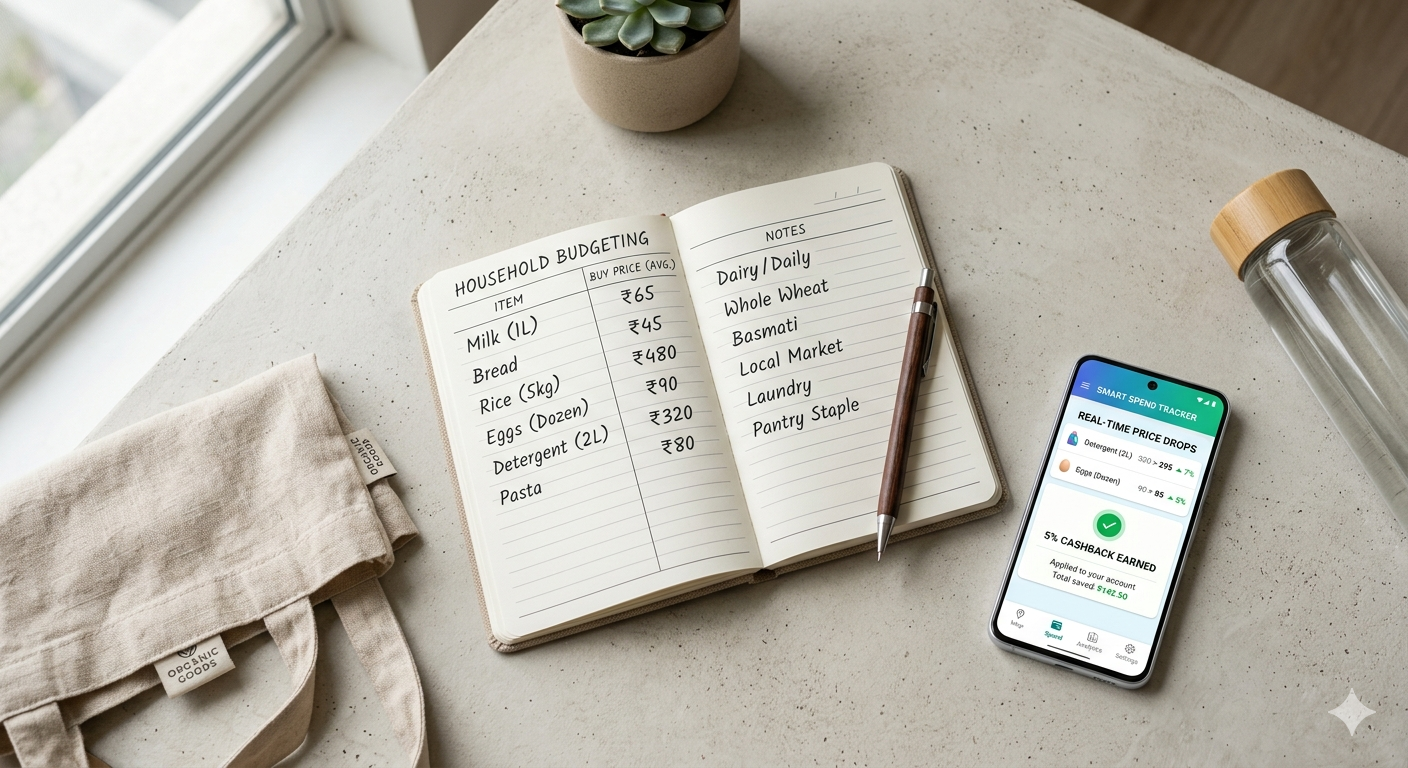
The most effective weapon to completely neutralize this psychological marketing trap is setting a personal Buy Price for your top 15 recurring household expenses (such as coffee, laundry detergent, cooking oils, diapers, and trash bags).
Spend one afternoon taking quick photos of the standard shelf tags at your favorite local retailers. Use those baseline figures to establish the exact price point you consider a true, indisputable deal for each product class. Moving forward, completely ignore the storefront’s marketing banners. If a product drops to or below your predetermined Buy Price, stock up on enough inventory to last your household for 4 to 6 weeks. If it sits above that number, switch brands, drop down a size, or skip the item entirely.
3. Demolishing the “Big Box” Packaging Illusion
One of the oldest tricks in retail is the bulk packaging illusion. Consumers have been conditioned over decades to assume that buying a massive, industrial-sized container of a product is automatically more cost-effective than purchasing a small, standard container. In today’s compressed supply chain environment, this assumption is frequently incorrect.
Whenever you compare products on a store shelf, take your eyes off the primary price tag and look closely at the tiny font in the upper or lower corner: the unit price (cost per ounce, per pound, or per 100 sheets).
Retailers frequently mark up “Party Size” snack bags or “Mega Pack” cleaning utilities on a per-unit basis because they know casual shoppers will grab them off the shelf without checking the math. If the larger package isn’t delivering a per-unit saving of at least 10% compared to the standard option, you aren’t actually saving money—you are simply paying a premium to store excess inventory in your home.
The Pro Saver’s Blueprint: Stacking Triple-Tier Rewards
To secure the absolute maximum savings potential on every single transaction, you should never rely on just a single discount source. Instead, you need to learn how to layer multiple savings channels simultaneously.
Follow this repeatable system to execute a flawless triple-tier coupon stack on your next purchase:
1.Secure an Authentic Base Promo Code:Step 1: Code Check.
Begin your search inside crowdsourced, human-verified deal platforms (like Slickdeals or DesiDime) to pull a valid, active merchant-wide discount code or free-shipping voucher for your target store.
2.Route Your Link Through a Cashback Platform:Step 2: Activate Portal.
Open your favorite dedicated cashback app or browser tool (such as Rakuten, CashKaro, or TopCashback). Search for your target store inside their directory and click their tracking link to activate a secondary layer of direct bank-transferable rewards.
3.Apply Your Loyalty and Store Points:Step 3: Internal Stacking.
Once your cart is populated, input your base promo code into the checkout field and pair it directly with any internal store loyalty points or digital rewards accrued from your customer profile dashboard.
4.Execute the Purchase with a Rewards Card:Step 4: Final Payment.
Complete the final transaction using a high-yield cashback credit card that offers specialized 3% to 5% category bonuses for that specific retailer, successfully locking in your third separate layer of savings on a single cart.
Decoding Shopping Tactics: Value vs. Friction
Every budgeting hack requires a different amount of effort and delivers a unique level of financial return. Let’s look at how the primary shopping hacks of 2026 stack up against each other to help you decide where to direct your focus:
| Shopping Hack Category | Average Expense Reduction | Setup Friction | Primary Savings Focus | Behavioral Habit |
| Incognito & VPN Browsing | 15% – 35% Off | Low | Electronics, airline fares, and hotel bookings | Clears digital footprints before buying |
| Unit-Price Tracking | 10% – 25% Off | Extremely Low | Groceries, pet food, and laundry detergents | Compares shelf-tag math over packaging size |
| Predetermined Buy Prices | 20% – 40% Off | Medium | Toiletries, pantry staples, and household paper goods | Neutralizes aggressive store sales banners |
| Multi-Tier Reward Stacking | 5% – 15% Cash Back | Medium – High | General retail, fashion, and lifestyle items | Combines portals, store points, and cards |
The 72-Hour Rule for Impulse Protection: Online checkout screens are deliberately optimized to make spending money frictionless. If you find yourself on the verge of purchasing a non-essential item, force yourself to add it to a saved wish list and close the tab for exactly 72 hours. If you are still actively thinking about that product after three days have passed, build it into your monthly discretionary budget and buy it with intention. You will find that over 70% of the time, the impulse completely fades!
Frequently Asked Questions (FAQs)
How exactly does a VPN help me find lower prices when shopping online?
Many global retail stores, booking engines, and digital service providers adjust their base pricing depending on the estimated average income of a user’s geographic location or zip code. By using a VPN to shift your virtual location to an alternative region or country, you can occasionally bypass localized price inflation and view raw, unadjusted global wholesale rates.
Why do stores sometimes charge more per ounce for larger “Value Size” products?
This is an automated pricing anomaly driven by consumer psychology. Because retailers know that the vast majority of shoppers blindly trust that larger boxes equal a better deal, they can occasionally raise the per-unit price on bulk items to capture higher profit margins from hurried or unsuspecting consumers.
Will clearing my browser cookies affect my saved retail shipping details?
Yes. Clearing your standard browser cookies will log you out of most merchant platforms and clear temporary item states from anonymous checkout carts. To protect your time, keep your primary addresses and payment methods saved securely inside a dedicated cross-platform password manager rather than relying on loose browser tracking data.
Can I stack multiple cashback browser extensions on top of each other?
No, you cannot use multiple cashback extensions simultaneously for the same transaction. E-commerce merchants will only award an affiliate commission payout to the single, specific tracking link that recorded the very last click before the checkout event occurred. Trying to run multiple extensions together will typically cause the trackers to conflict and invalidate your rewards entirely.