
Budget Smartphone Buying Guide: How to Choose the Right Phone
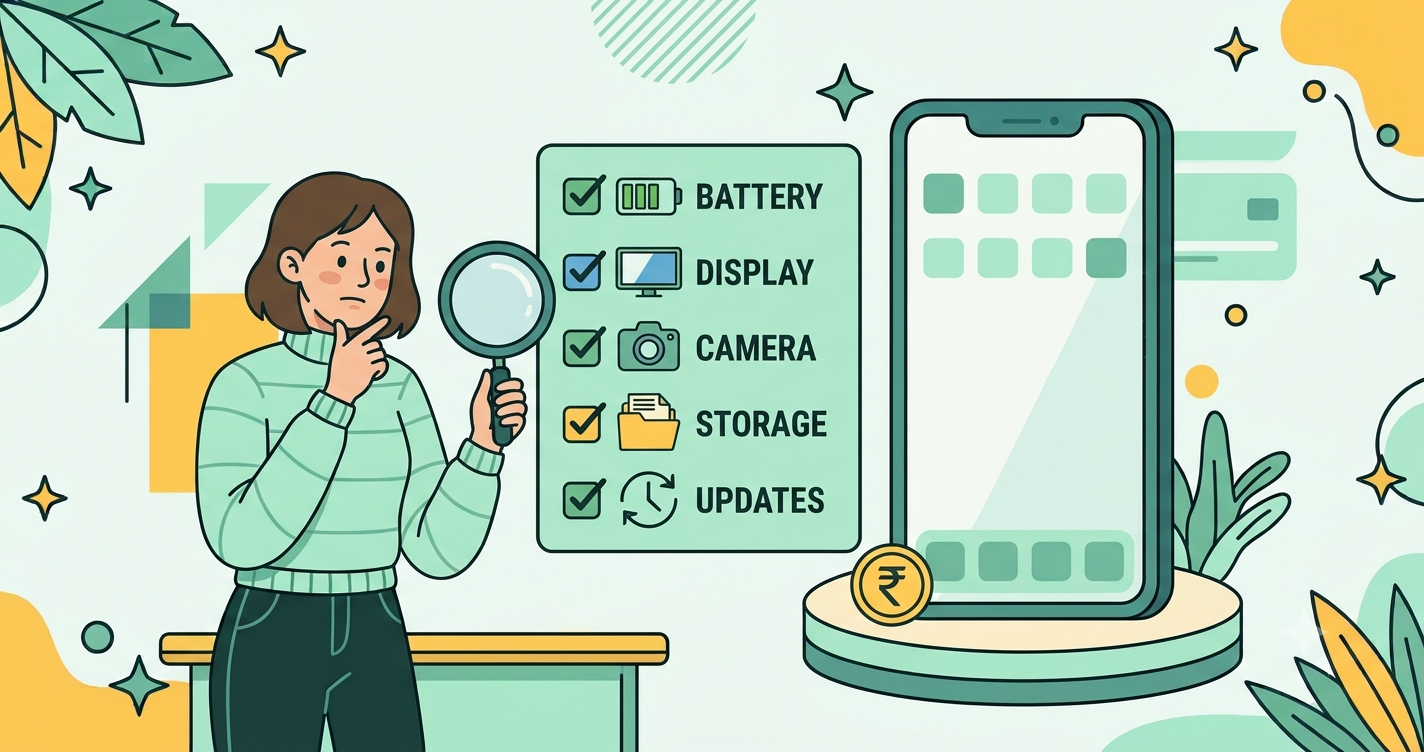
Quick answer: To choose a good budget smartphone, decide your budget and daily needs first, then compare battery life, display smoothness, processor and RAM, storage, build quality, camera quality, charging speed, and the length of software update support. Read independent reviews, check the price history, compare the effective price after offers, and confirm warranty and service availability. Do not choose by specification numbers alone.
Choosing a smartphone on a limited budget can feel overwhelming. Dozens of models compete at similar prices, each with a long list of specifications and bold marketing claims. Numbers such as megapixels, gigabytes, and “up to” speeds can make one phone look dramatically better than another, even when real-world differences are small.
This guide helps you cut through the noise. It explains which features matter most in daily use, which claims to treat carefully, how to compare deals, and how to avoid common mistakes. It is designed to work for any brand, and it avoids naming specific models, because the market changes quickly. It complements our guides on the best time to buy electronics, price history, and price comparison.
Step 1: Define your budget and priorities
Start by deciding the maximum you can spend, including accessories such as a case, screen guard, and charger if needed. Then list what you do with your phone, in order of importance. For example:
- Calls, messaging, and social media.
- Video streaming and reading.
- Photos and videos.
- Gaming.
- Navigation and payments.
- Work apps, email, and video calls.
Your priorities decide where to spend. A student who watches videos needs a good display and battery. A traveller may value camera and storage. A parent buying for an older family member may want simplicity, a clear screen, and reliable service. A budget is a set of trade-offs, and knowing your priorities makes them easier.
Step 2: Understand the specifications that matter
Battery and charging
Battery life matters more than most specs. Look for a battery capacity that fits your usage, and read real-world battery tests in reviews. Fast charging is useful, but check whether the charger is included, since some phones ship without one. Efficient processors and software can matter as much as raw battery size.
Display
You look at the screen constantly. Consider size, brightness, resolution, and refresh rate. A higher refresh rate feels smoother when scrolling, but it can use more battery. Check brightness for outdoor use, and note the panel type. Good displays are one of the clearest quality differences in budget phones, so read reviews that test them.
Processor and performance
The processor affects speed, gaming, and how long the phone stays smooth. Within a budget, compare processors using independent benchmark summaries and real-world reviews rather than marketing language. Remember that software optimisation matters as much as chip numbers.
RAM and storage
RAM affects how many apps can run smoothly. Storage affects how many apps, photos, and videos you can keep. For everyday use, a reasonable amount of each is fine, but heavy gamers, photographers, and people who keep many apps open will benefit from more. Check whether storage can be expanded with a memory card, and beware of “virtual RAM” claims, which use storage and are not the same as real RAM.
Cameras
Megapixel counts are not a reliable guide. Sensor size, lens quality, image processing, and stabilisation matter more. Many budget phones list several cameras, but only the main camera is usually good. Look at sample photos in daylight and low light, and watch for video quality, which can be weaker on budget models.
Build quality and design
Check the build material, weight, and any dust or water resistance rating. A plastic body is fine if it is solid. A comfortable weight and grip matter for daily use. Consider whether a case will be needed for protection.
Software and update policy
This is often overlooked. Check how many years of operating system and security updates the brand promises. Software with fewer ads and pre-installed apps feels cleaner and smoother. A phone with a short update policy may become less safe and slower sooner.
Network and connectivity
Check support for the mobile networks and bands you use, as well as Wi-Fi, Bluetooth, and NFC if you need them. If you travel or use dual SIM, confirm the SIM setup. A phone that does not support your network’s bands can have poor coverage even if it looks good on paper.
Audio, ports, and extras
Stereo speakers, a headphone jack, and a fingerprint sensor may matter to you. Check the type of charging port and whether accessories are included.
Step 3: Research the options
- Shortlist three to five phones within your budget that match your priorities.
- Read independent reviews and long-term user feedback. Look for consistent comments about battery life, heating, software issues, and service experience.
- Watch for fake reviews. Use the checks in how to spot fake product reviews.
- Compare key specs in a simple table with the factors that matter to you.
- Check the age of the model. A recently launched phone will have a higher price than one that has been out for months, as explained in the best time to buy electronics.
Step 4: Compare prices and deals
Once you have a shortlist, compare the effective price on each. Include bank offers, exchange values, coupons, and cashback. Check price history to see if the current price is high or low, and check two or three sellers. See bank offers and credit card deals, how to stack coupons, offers and cashback, and MRP vs selling price. Phones are often discounted heavily during festive and holiday sales, so planning around them can save a lot. See how to shop smart during Diwali sales.
A worked example (illustrative numbers)
You have a budget of 15,000 and care most about battery life, a smooth display, and reliable updates. You shortlist three phones, labelled A, B, and C.
- Phone A: 14,500, strong battery, smooth display, three years of updates promised, average camera.
- Phone B: 13,000, better camera, but only two years of updates and a dimmer screen.
- Phone C: 16,500 list price, with a 1,500 card offer and an exchange value of 1,000, so about 14,000 effective. It has a bright display, good performance, and four years of updates.
For your priorities, Phone C looks best at about 14,000 effective, even though its list price is highest. Phone B is the cheapest but compromises on display and updates. The list price alone would have led you to the wrong choice, and the effective price and priorities led you to the right one. The numbers here are illustrative, but the method works for any set of phones.
Features to treat with caution
- Huge megapixel numbers. They rarely guarantee better photos.
- “Up to” charging speeds. Real speeds depend on the charger, battery state, and temperature.
- Virtual RAM. It does not replace real RAM.
- Too many cameras. Extra low-quality sensors add little.
- Gaming claims. Check real-world performance and heat management.
- Brand-only decisions. A familiar brand is helpful, but compare actual specs and service quality.
- Unknown sellers with unusual discounts. See 12 ways to spot a fake discount.
Where to buy: online or offline?
Online platforms often have lower prices, more offers, and wider choice. Offline stores let you handle the phone, check the screen and size, and get help setting it up. Compare both for the effective price, and check which gives better warranty handling. For online purchases, check the return window and policy in case the phone has defects or does not meet expectations. See return and refund policies explained. Buy from authorised sellers so that the warranty is valid.
New, refurbished, or older model?
You can often stretch a budget by considering previous-year models or certified refurbished phones. Older models may offer better value as prices fall, but check software update support. Refurbished phones can save money but vary in quality and warranty. Compare with new phones during sales, since a discounted new phone with full warranty can be better than a poor refurbished deal. See refurbished vs new products: what to choose.
Warranty, service, and accessories
- Warranty. Confirm the length and what is covered. Battery and accessories may have shorter coverage.
- Service network. Check whether authorised service centres are available in your city and how repairs are handled.
- Extended warranty and damage protection. Read the terms and costs before deciding. See is an extended warranty worth it?.
- Accessories. Budget for a case and screen protector, and a charger if it is not included. Prefer certified accessories.
Paying: cash, card, or EMI
Decide how you will pay before you click buy. A card offer can lower the price, but only if you pay your bill in full. EMI can help spread the cost, but check the fees and interest. See no-cost EMI explained and COD vs prepaid to compare payment options. Keep your total spending within your budget, and avoid stretching for a higher-priced model on credit.
Setting up and protecting your new phone
- Back up your old phone before switching, and transfer important data carefully.
- Set a screen lock and enable device-finding features.
- Install updates and only install apps from official stores.
- Be careful with phishing messages and fake offers. See online shopping safety.
- Keep the invoice and box until the return window ends.
Buying a phone for someone else
If you are choosing a phone for a parent, a child, or a friend, think about their habits rather than your own. An older family member may value a large, clear screen, loud speakers, simple software, and easy access to help from a nearby service centre. A child may need durability, parental controls, and a modest price in case of damage. Ask them what they use most, which apps they rely on, and what frustrates them about their current phone. Then match those answers to the shortlist. A phone that suits the person who will use it every day is always a better gift than one that merely looks impressive on paper.
Common mistakes when buying a budget phone
Choosing the cheapest option without checking updates and service
A low price can cost more if the phone becomes slow or unsafe quickly.
Paying for features you will not use
Extra cameras, ultra-high refresh rates, or gaming features are wasted if you do not need them.
Relying on a single review or a seller’s description
Read multiple sources, and weigh long-term feedback.
Ignoring total cost
Accessories, insurance, and data plan changes add to the real cost.
Buying on impulse during a sale
A good price on the wrong phone is not a good deal. Use your shortlist and target price. See flash sale strategy.
Frequently asked questions
What should I look for in a budget smartphone?
Look at battery life, a smooth display, enough RAM and storage, a reliable processor, software update policy, build quality, and the quality of the main camera. Prioritise what you use daily.
How much RAM and storage do I need?
For everyday use, many people are comfortable with a mid-range amount of RAM and enough storage for apps and photos. Heavy gamers, photographers, and people who keep many apps need more.
Are megapixels important for cameras?
Not by themselves. Sensor quality, processing, lens, and stabilisation matter more. Check sample photos and reviews rather than relying on megapixel counts.
Why do software updates matter on a budget phone?
Updates provide security fixes and improvements. A phone with a short update policy may become less safe and less smooth sooner, so check how long updates are promised.
Should I buy a budget phone online or offline?
Online often offers lower prices and more offers. Offline lets you handle the phone and get immediate help. Compare the effective price and the warranty and service support.
Final thoughts
A good budget phone is not the one with the longest spec sheet. It is the one that fits your daily needs, runs smoothly, lasts for years, and comes with solid support at a fair price. Define your budget and priorities, research a short list, compare effective prices, and check updates, warranty, and service. If you follow those steps, you will end up with a phone you are happy with long after the sale banners are forgotten.
Keep reading